Bitcoin Casinos in Canada 2026: A Practical Guide to Crypto Deposits, Fees, KYC Checks and Smarter Play
Bitcoin Casinos in Canada 2026: A Practical Guide to Crypto Deposits, Fees, KYC Checks and Smarter Play

Crypto gambling in Canada stopped being a novelty somewhere around last year. By 2026 it's simply one of the ways people play — a wallet address instead of a card number, a confirmation screen instead of a bank login. That shift is real, and on the whole it's an improvement: deposits land in minutes, withdrawals don't sit in a queue for three business days, and nobody asks for your card details.
But here's what I keep seeing, in forums and in my own inbox. The problems players run into are rarely about gambling. They're about mechanics. Someone sends Bitcoin over the wrong chain and watches $300 evaporate. Someone wins, requests a payout, and only then discovers the site wants a passport, a utility bill and a selfie. Someone signs up on a 'zero fee' platform and loses four percent of their balance to a conversion rate they never looked at.
So this isn't a hype piece. It's a walkthrough — deposits, fees, KYC, bankroll habits — written for Canadian players who want to understand how the machinery works before they put money into it. Nothing here promises profit. It's the boring detail that decides whether your experience is smooth or expensive.
What a Bitcoin Casino Actually Is in 2026
Precise definition first, since the term gets used loosely. A Bitcoin casino is a gambling platform that settles deposits and withdrawals in cryptocurrency — BTC almost always, plus ETH, USDT, LTC and often a handful of others — either instead of Canadian dollars or right alongside them. That's the whole definition. It says nothing about whether the operator is licensed, solvent or honest.
Two models dominate. Crypto-only operators take nothing but digital assets: you fund from a wallet, you cash out to a wallet. Hybrid sites accept Interac e-transfers and credit cards like a conventional Canadian sportsbook, then dangle bonuses and faster processing at anyone who deposits in crypto. And that distinction matters more than most players realise — it shapes your fee exposure and your verification timeline at the same time, because hybrids tend to inherit the compliance habits of the regulated side of their business.
The real differentiators are narrower than the marketing suggests: provably fair RNG systems you can verify yourself, and settlement times measured in minutes. Both are legitimately better than legacy banking rails. Neither one tells you a thing about payout reliability. 'Crypto' is a payment method, not a trust signal.
Crypto-Only vs. Hybrid Platforms
Crypto-only sites win on setup friction. An email — sometimes not even that — and you're in and depositing within a couple of minutes. Minimums stay low, often the equivalent of $10–$20. The catch is that everything happens in satoshis and USDT, so if you think in Canadian dollars you're doing mental math constantly, and every withdrawal ends in a wallet rather than your chequing account.
Hybrids ask more upfront. Name, address, often ID before your first deposit. In exchange you get CAD-denominated balances, Interac withdrawals into a real bank account, and usually a support team working Canadian time zones. Want the simplest path from win to bank account? Hybrid is the pragmatic call. Want the fastest in-and-out with minimal paperwork? Crypto-only — with the caveat that 'minimal paperwork' has a way of turning into 'maximum paperwork at withdrawal time,' which I'll come back to.
Deposits and Withdrawals: How the Money Actually Moves
Start with a wallet. Two options: self-custody (a hardware wallet, or a reputable mobile wallet where you hold the keys), or an account on an exchange like the ones Canadians commonly use. For casino purposes, a separate hot wallet funded from your exchange account is the sensible middle path — your long-term holdings stay off the table, and your exposure is capped if a platform turns out to be unreliable. Never deposit straight from cold storage.
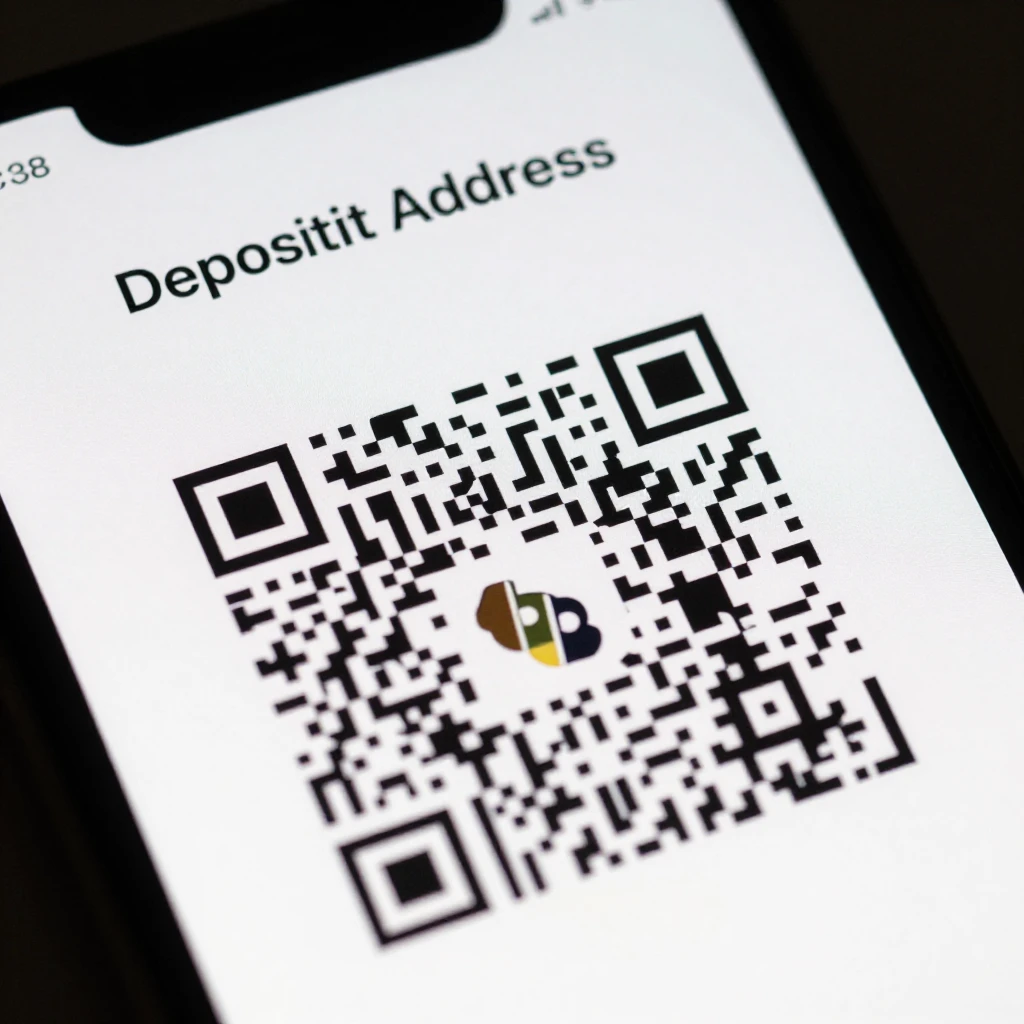
Then the mechanics. Choose the network, copy the deposit address exactly, send, wait for confirmations. On-chain Bitcoin typically needs one to three confirmations before credit, which works out to ten to thirty minutes depending on congestion. The Lightning Network settles in seconds and costs fractions of a cent, though not every casino supports it. Stablecoin rails — USDT on TRON or Ethereum — are fast and cheap on the right chain, and brutal on the wrong one.
Withdrawals run the same track in reverse. Request the payout, wait for internal review, wait for network confirmations. Most sites push funds back through the rail you deposited with, which is why sending that first deposit from an exchange account can complicate things later — some exchanges flag incoming transfers from gambling addresses.
A Step-by-Step First Deposit
Here's the sequence I'd hand to anyone doing this for the first time:
- Verify the network. The casino says 'Bitcoin' — check whether that means BTC mainnet, Lightning, or a wrapped token. Read the deposit page, not the marketing page.
- Send a small test amount. Ten or twenty dollars' worth. Confirm it credits, and confirm how long it took.
- Check the credited balance against the CAD value you expected. If there's a gap, you've just found the conversion spread.
- Scale up only after the test clears. Then repeat that same network selection every single time.
The single most common error is sending BTC over the wrong chain — mainnet coins to a Lightning invoice, or USDT on Ethereum to a TRON address. That transaction doesn't bounce. It's gone, and recovery is theoretical at best. Copy the address, paste it, read the first and last four characters before you hit send.
Withdrawal Speed and What Slows It Down
'Instant withdrawals' is marketing shorthand for 'instant request.' Behind that request sits an internal risk review — account history, deposit patterns, whether you've finished verification — plus a confirmation threshold the site sets for itself. Weekend congestion adds another layer. Saturday night in the middle of a fee spike isn't when you want to be waiting on two confirmations.
Realistic expectations for 2026: Lightning and stablecoin withdrawals under ten minutes, on-chain Bitcoin inside an hour. Anything longer usually means a human is looking at your account, and that human may be about to ask for documents.
Fees Decoded: What You Really Pay
Fees come in four layers, and comparing platforms on any single one is how people get fooled. Layer one is the network fee — what miners charge to include your transaction, which swings wildly and is usually paid by you, not the casino. Layer two is the platform's own deposit and withdrawal fee: sometimes zero, sometimes a flat percentage. Layer three is the conversion spread, and that's where the real money hides. Layer four is bonus wagering, which isn't a fee on paper but behaves exactly like one.
Worked example. You deposit $200 at a site advertising zero fees, but its BTC-to-CAD rate sits 3% below the reference rate — you've effectively paid $6 on the way in. You play, you withdraw $200, and the same spread applies going out: another $6, plus a network fee of $2. Total cost around $14 on a flat $400 round trip. A competitor charging a transparent 1.5% deposit fee and a $5 flat withdrawal, with a fair conversion rate, costs you $11. The 'free' site is the more expensive one, and it never said so.
The Conversion Spread Nobody Advertises
You can check it in thirty seconds. Look up the BTC/CAD spot rate on any major reference, note the casino's quoted rate at checkout, work out the difference as a percentage. Under 1% is fair. Between 1% and 2.5% is normal but worth knowing. Above 3% and you're paying a real premium for the privilege of not thinking about it.
If a site lets you hold your balance in crypto and withdraw in crypto, you skip the spread entirely. That's the quiet advantage of crypto-only platforms.
KYC Checks in Canada: What to Expect
This is the question Canadians ask first, and the honest answer is: it depends on the operator, and it depends on when. Standard verification means government photo ID, proof of address dated within three months, and — above certain thresholds or after unusual activity — source-of-funds paperwork like a pay stub or bank statement.
Timing is where players get caught. Some sites verify at signup. Others verify at first withdrawal, which is the worst possible moment to discover you don't have a utility bill in your name. And 'no-KYC casino' claims deserve real scrutiny: usually it means verification is deferred until you've got a balance worth protecting, and occasionally it means the operator sits outside any jurisdiction that would hold it accountable.
I'd rather be verified on day one. It removes the single most common reason withdrawals get frozen.
Why a Smooth KYC Process Protects Your Balance
Verification isn't just a compliance formality — it's what makes the account yours. A verified account can be recovered if you lose wallet access. It can raise withdrawal limits. And if a dispute blows up over a payout, a verified identity with a clean transaction history is what gives a support team something to work with. The player who skipped verification has no leverage at exactly the moment leverage matters.
Regulation in Canada and How to Choose a Platform
Gambling in Canada is regulated provincially, not federally. Ontario's iGO regime licenses and oversees operators in that market; other provinces run their own frameworks, with varying openness to online gambling. Offshore crypto sites sit in a grey zone — legally accessible, largely unaccountable, navigated by Canadian players at their own risk. Not a scare line. Just the map.
Given that, a checklist beats a lecture:
- Licensing and transparency — who operates the site, where are they registered, is the licence number verifiable?
- A published fee schedule — deposits, withdrawals, conversion rates, all stated in writing.
- Withdrawal limits and stated processing times — daily caps, weekly caps, and what 'instant' actually means.
- Game provider quality — recognisable studios, verifiable RNG, published RTPs.
- Banking options and support responsiveness — test support with a pre-sales question before you deposit.
Rather than signing up from the first banner ad that catches your eye, it's worth comparing operators side by side through a directory of vetted online casino bitcoin platforms — licensing, fee structures and payout reports in one place instead of fifteen open tabs and a bit of hope.
Smarter Play: Bonuses, Bankroll and the Traps to Avoid
The expensive mistakes are predictable. Chasing reload bonuses with 40x wagering on a game with a 3% house edge isn't a strategy, it's a donation. Playing above your bankroll because the minimum bet feels tiny in satoshis is the same error in a different costume. And treating a volatile asset as your gambling stack — depositing coins you're holding long term instead of what you'd spend on a night out — turns a losing session into a portfolio loss.
Deposit what you'd spend, not what you're holding. Set a deposit limit before your first session, use session timers where the site offers them, and know that self-exclusion tools exist on every legitimate platform. If gambling stops feeling like entertainment, support is available in Canada through provincial programs and helplines. Use them without hesitation.
Frequently Asked Questions
Is Bitcoin gambling legal in Canada? Online gambling is regulated provincially, and the rules differ by province. Ontario's licensed market is the most clearly defined; elsewhere, offshore crypto sites operate in a grey area. Players aren't typically prosecuted, but unlicensed operators offer no recourse if something goes wrong.
How long do crypto withdrawals take? Lightning and stablecoin payouts often clear in under ten minutes. On-chain Bitcoin usually takes twenty to sixty minutes including confirmations. Delays beyond an hour generally mean manual review.
Do I owe tax on winnings? In Canada, gambling winnings are generally not taxable when they're truly occasional, but professional or business-like gambling income can be. Crypto dispositions may also trigger capital gains reporting. Talk to an accountant about your specific situation.
What's the minimum deposit? Typically the equivalent of $10–$20 in crypto at crypto-only sites, and $10 at most hybrids accepting Interac.
Can I withdraw directly to Interac? Only at hybrid platforms that support it, and usually only after full verification. Crypto-only sites pay out to a wallet, full stop.
Which network is cheapest for deposits? Lightning, when supported. Otherwise USDT on a low-fee chain. On-chain Bitcoin mainnet is the most expensive of the three during congestion.
Conclusion: Play Informed, Not Impressed
The technology is genuinely better than what it replaced — faster settlement, lower friction, no card details scattered across the internet. But the risks aren't magical either. They're operational. Fees hide in conversion rates. KYC arrives exactly when you need it least. Licensing varies by province and by operator, and no amount of blockchain language changes that.
Three habits cover most of it. Test small before you scale. Read the fee page, not the bonus banner. Verify your identity before you need to withdraw, not after. Do those three things and you'll dodge nearly every complaint I see from Canadian players.
Then take your shortlist from somewhere that compares operators instead of selling them, and sign up with your eyes open. That's the whole game.